
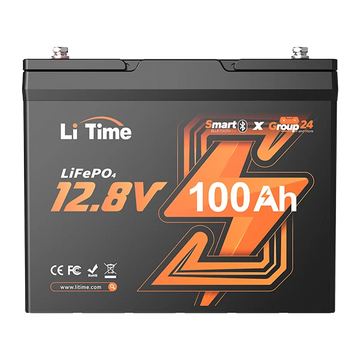
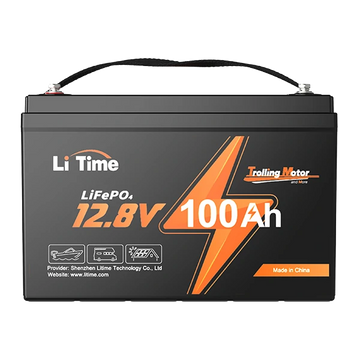
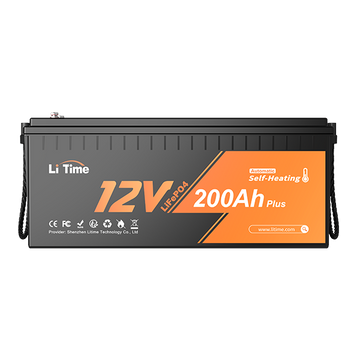

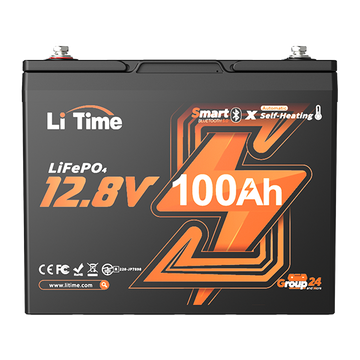





















If your Chevrolet or GMC is showing the “Service Battery Charging System” alert, don’t panic. This article walks you through the most frequent reasons behind this message and what you can do to correct it. You’ll also see how upgrading to a reliable lithium battery from LiTime can help avoid charging problems in the future.
Table of Contents
1. Understanding the “Service Battery Charging System” Warning

Seeing the “Service Battery Charging System” message pop up on your Chevrolet or GMC can feel alarming—especially if it appears while driving. But this alert is simply your vehicle’s way of saying, “Something in the charging circuit isn’t performing as expected.”
Your truck or SUV relies on a constant balance between the battery, alternator, voltage regulator, and control modules. When any link weakens, the system can’t deliver the stable voltage modern vehicles require. This warning is your early indicator—one that helps you prevent getting stranded with a dead battery or an engine that suddenly stalls.
Common consequences of ignoring the alert include:
-
A rapidly draining or completely dead battery
-
Hard or inconsistent starting
-
Loss of power steering or braking assist
-
Unexpected engine shutdown, especially at idle
Understanding why the message appears is the first step toward solving it quickly and preventing long-term electrical issues.
2. Five Likely Causes & What You Can Do

This warning doesn’t point to a single problem—it's a system-wide alert. Below are the most common culprits, along with practical steps you can take before heading to a mechanic.
Cause 1: Aging or Weak Battery
As lead-acid batteries age, their internal plates corrode and capacity naturally decreases. Even if your engine still starts, the battery may no longer maintain stable voltage under load, which easily triggers the charging-system warning.
Fix:
Get a battery load test at an auto parts store or service shop. If voltage dips under load or capacity is below recommended spec, replacement is the most reliable fix.
Cause 2: Dirty or Loose Battery Terminals
A surprising number of charging-system issues come down to something simple: corrosion or looseness at the terminals. Even a small amount of oxidation creates electrical resistance that disrupts charging.

Fix:
-
Inspect terminals for white or blue-green buildup
-
Clean with a wire brush and baking soda solution
-
Tighten clamps firmly to ensure solid contact
This is one of the easiest DIY fixes and often resolves the warning immediately.
Cause 3: Alternator Malfunction
The alternator is your vehicle’s power plant when the engine is running. A failing alternator may produce inconsistent or low output, causing the battery to drain while driving—even though everything looks normal at first.
Fix:
Ask a technician to test alternator output, ripple voltage, and bearing noise. If output is below specification or the alternator overheats, replacement is typically required.
Cause 4: Defective Voltage Regulator
The voltage regulator ensures your vehicle receives a steady, safe charging voltage—usually around 14V while driving. A regulator that overcharges or undercharges won’t just trigger alerts; it can also shorten battery lifespan.
Fix:
Have a repair shop perform a voltage sweep test. If voltage spikes or dips outside normal range, the regulator or alternator assembly may need replacement.
Cause 5: ECM/ECU-Related Errors
Modern GM vehicles rely heavily on software to interpret charging data. Occasionally, a glitch, poor ground, or outdated calibration can misread conditions and trigger the message even when components are functioning correctly.
Fix:
Scan for diagnostic trouble codes (DTCs). If none relate to the charging system, ask a dealer about software updates or reprogramming for the engine control module.
3. Simple Checks You Can Do

Even without tools or technical training, you can perform several quick checks to narrow down the issue before spending money on repairs.
1. Watch the headlights
If they dim at idle or brighten noticeably when revving, voltage may be unstable.
2. Inspect battery terminals
Look for corrosion, frayed cables, or loose clamps. These small issues often create big electrical symptoms.
3. Check battery age
If it’s older than 3–5 years, degradation is likely. Extreme heat or cold climates shorten lifespan even further.
4. Test voltage (if you have a multimeter)
-
12.4–12.7V engine off = healthy
-
13.8–14.4V engine running = proper charging
Anything outside those ranges helps pinpoint the problem.
5. Monitor the warning
If the message stays on continuously rather than appearing intermittently, the issue is more likely mechanical (battery/alternator) than software.
These checks won’t fix deeper issues, but they can save you time and help you communicate clearly with a technician.
4. Benefits of Switching to Lithium
If your vehicle or auxiliary system still uses a traditional lead-acid battery, upgrading to lithium—especially LiFePO₄ (Lithium Iron Phosphate)—can dramatically improve performance and reliability.
Here’s why many owners of trucks, RVs, boats, and off-grid setups are switching:
Longer Lifespan
Lithium batteries routinely last 5–10 times longer than lead-acid. Their slower degradation means fewer replacements and more consistent performance over years of use.
Stable Voltage Delivery
Unlike lead-acid batteries, lithium maintains high voltage even under heavy loads. This means your electronics perform better, your starter motor gets strong cranking power, and your alternator works more efficiently.
Higher Usable Capacity
A lithium battery delivers 80–90% usable power, compared with 50% or less from lead-acid. You get more real-world energy without increasing battery size.
Zero Maintenance
No corrosion, no water refills, no sulfation. Just reliable, clean energy.
Better Performance in Demanding Conditions
Lithium excels under high loads and frequent cycling—perfect for RVs, overlanding rigs, marine use, and vehicles with multiple accessories.
5. Recommended LiTime Battery Solutions
When the “Service Battery Charging System” warning appears, your first priority is always to diagnose and fix the starting/charging system on the vehicle itself. However, many Chevrolet and GMC owners don’t just drive from A to B—they tow boats, pull campers, power winches, fridges, and inverters.
In these real-world setups, it’s often the auxiliary batteries on your RV, boat, or trailer that get cycled hard, discharged deeply, and stressed by extra loads. If those batteries are weak or unstable, they can contribute to low-voltage situations and make your overall 12V system feel unreliable.
That’s where a robust lithium upgrade on the RV/boat/trailer side can make a noticeable difference to your day-to-day experience with the whole setup.
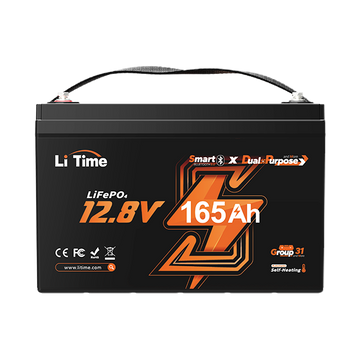
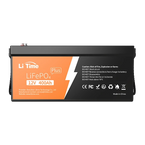
LiTime 12V 165Ah Dual-Purpose Marine Lithium Battery
The LiTime 12V 165Ah Dual-Purpose Marine Lithium Battery is ideal if your truck is part of a bigger system—
for example, towing a camper, powering an overlanding rig, or hauling a boat that runs multiple 12V accessories.
-
Dual-purpose design: Delivers both starting current and deep-cycle performance, so it can crank engines and also run lights, trolling motors, fridges, and electronics for hours.
-
High usable capacity: Compared with lead-acid, you get much more usable energy in the same footprint—perfect for long weekends on the water or off the grid.
-
Stable voltage: Holds voltage higher and flatter under load, which means cleaner power for sensitive electronics and less stress on your charging system.
It’s a strong choice for RVs, boats, trailers, and other demanding auxiliary setups that regularly push traditional batteries to their limits.

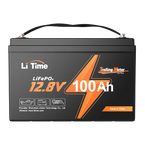
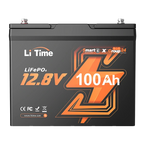
LiTime 12V 20Ah Marine Starting Lithium Battery
The LiTime 12V 20Ah Marine Starting Lithium Battery is a compact, ultra-light solution for smaller engines and backup roles:
-
Great for small outboards, ATVs, SxS/UTVs, small generators, or as a portable emergency starter you keep in the truck.
-
Much lighter than a comparable lead-acid battery, so it’s easy to move between vehicles, toys, or equipment.
-
Designed for reliable cranking performance in tight spaces or weight-sensitive builds.
If you use your Chevy or GMC as a tow vehicle or adventure base, pairing it with dependable lithium batteries on your boat, trailer, or accessory systems can significantly reduce “weak battery” headaches across your entire setup.

Join our membership today to unlock 10% savings and enjoy a 30-day price guarantee on every product—smart value with zero hassle.
6. Final Thoughts — Ask Your Questions
The “Service Battery Charging System” warning can be triggered by several factors, whether it’s a weak battery, alternator failure, or control-module issues. After identifying the cause, upgrading to a dependable lithium battery such as the LiTime 12V 165Ah Dual-Purpose Marine Battery or the LiTime 12V 20Ah Starting Battery can strengthen your vehicle’s electrical reliability.
👉 What’s happening with your vehicle?
Share your model and how you usually use your 12V system.
I can help you choose the right LiTime battery and troubleshoot the charging issue.